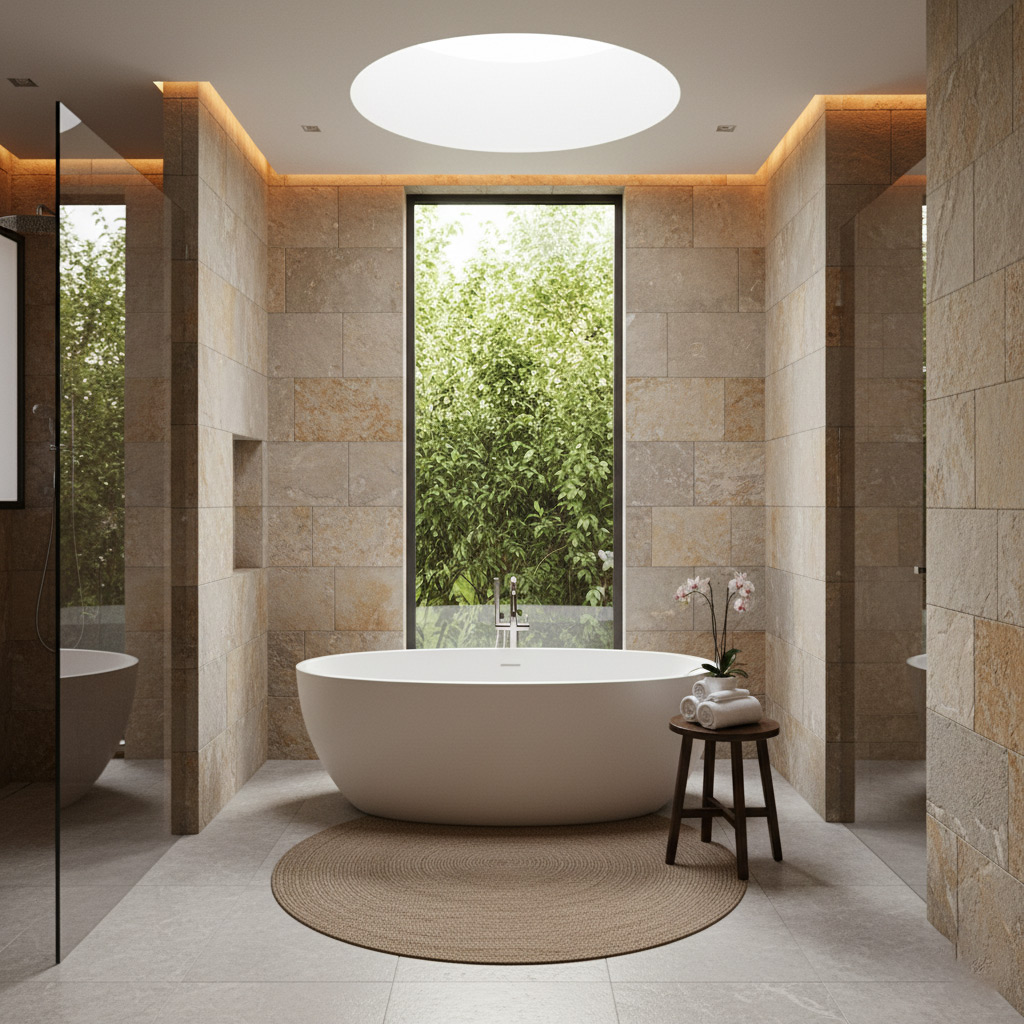
Picture this: you pull the shower curtain aside and are greeted by a clean, modern shower that feels like it was ripped straight from a design magazine. That moment of pride can turn sour fast if the conversion was done the wrong way.
Too many homeowners in Tempe rush the job, ignoring the little details that separate a flawless remodel from a leaky nightmare. From forgetting proper waterproofing to skimping on the slope of the floor, the mistakes pile up before you even hear the first splash.
And because Arizona’s desert climate throws its own curveballs—like rapid temperature swings and hard water—you need a plan that respects local building codes and the unique demands of a Southwest bathroom.
Ready to dodge the common pitfalls and keep your budget intact? Keep reading and discover the exact steps you should never skip.
Understanding Tempe Building Codes and Permit Requirements
Before you swing a hammer, the City of Tempe wants to see paperwork. A building permit isn’t just a formality; it’s the safety net that keeps your new shower from becoming a legal headache. Skipping it can mean costly re‑work, fines, or even a forced demolition.
Typical permits you’ll need
- Plumbing permit – verifies pipe sizing, venting, and proper drain connections.
- Electrical permit – required if you’re adding lights, a heated floor, or new outlets.
- Structural permit – essential when you cut into load‑bearing walls or modify the floor slab.
- Mechanical permit – applies if you install a new exhaust fan or ventilation system.
Once the permits are filed, an inspector will swing by at key stages. Expect them to check waterproofing membranes, confirm the floor slope, and make sure the venting meets the International Residential Code (IRC) as adopted by Tempe. A clean sign‑off means you can relax and enjoy that sleek shower without fearing a surprise stop‑work order.
Mastering Waterproofing: Membranes, Sealants, and Drainage Systems
Pick the Right Membrane, Don’t Guess
In a Tempe bathroom, the membrane is the silent guardian that stops water from slipping into the subfloor. Sheet‑on‑sheet (often a 30‑mil PVC) is cheap and easy, but it can wrinkle if you’re not careful. Liquid‑applied membranes hug every contour, making them the go‑to for uneven floors or retrofits.
- Sheet membrane: smooth surface, quick install, watch for seams.
- Liquid membrane: seamless coverage, ideal for corners, higher cost.
- Hybrid systems: combine both for extra peace of mind.
Sealants That Actually Stick
Even the best membrane fails if the joints aren’t sealed. Use a 100% silicone caulk that tolerates the desert heat without cracking. Apply a thin bead, smooth it with a wet finger, and let it cure at least 24 hours before any water hits the floor.
Drainage: The Unsung Hero
A proper slope sends water straight to the drain, not into the grout. Install a pre‑sloped shower pan or build a tapered mortar bed that drops at least 1/4 inch per foot toward the drain. Pair that with a linear drain or a traditional center drain—just make sure the trap is vented to avoid suction backups.
- Check the drain’s pitch before the membrane goes down.
- Use a PVC drain line with a 2‑inch diameter for faster flow.
- Seal around the drain flange with the same silicone you used on the joints.
Getting the Floor Slope Right: Preventing Water Pooling and Slipping Hazards
Why slope matters in a desert bathroom
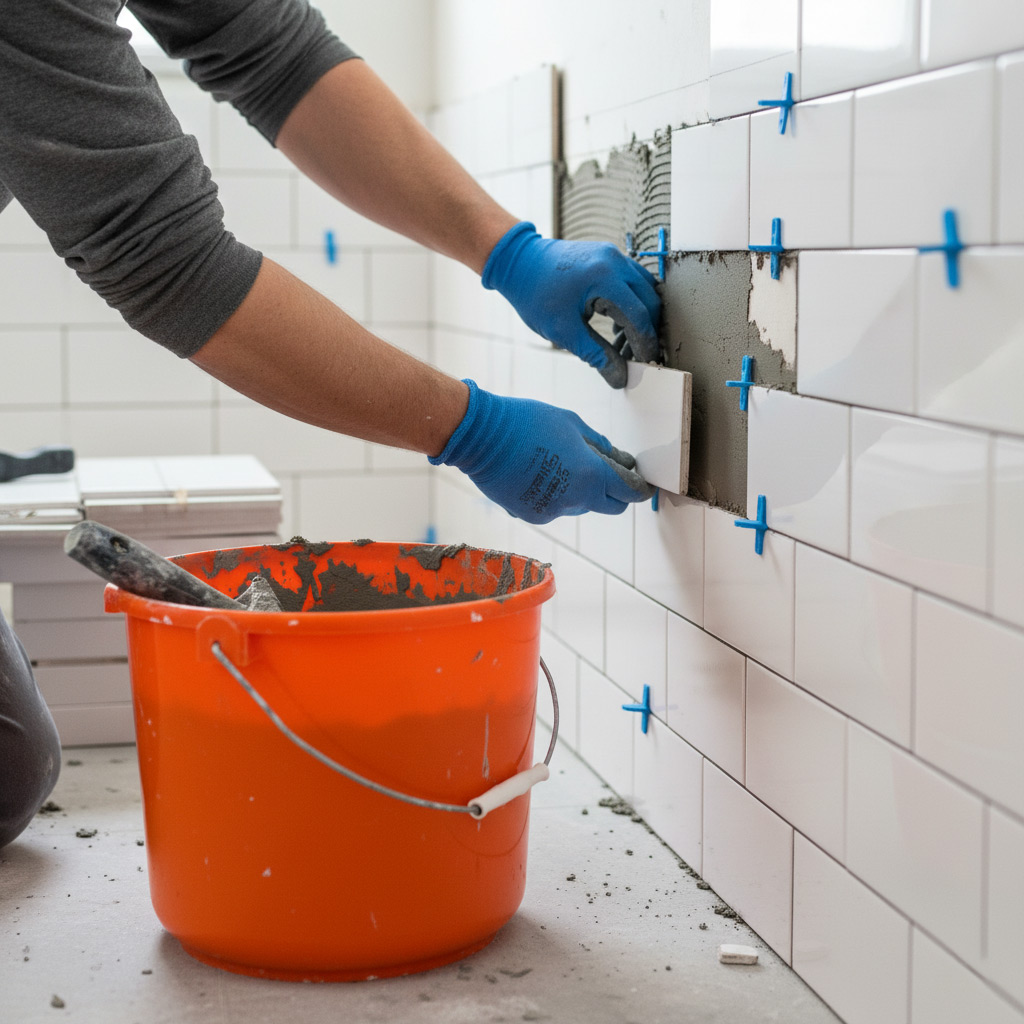
In Tempe, a tiny mis‑calculation can turn a sleek shower into a slip‑and‑slide. The floor must guide water straight to the drain, not let it linger where you step.
Even a half‑inch difference over a four‑foot span can be the difference between a dry walk‑out and a puddle that freezes at night.
How to nail the proper pitch
Start with the drain as your low point. From there, aim for a 1/4‑inch drop per foot toward the center. That’s the sweet spot most plumbers swear by.
- Measure twice, cut once – use a level and a laser line to verify the slope before you pour any mortar.
- Lay a sloped backer board; it’s cheaper to fix now than to replace a cracked tile later.
- Check the slope after the first thin‑set layer dries; adjust with a sanding block if needed.
Safety tricks that save money
Texture matters. A non‑slip coating or a subtle ribbed tile pattern gives grip without looking industrial.
Seal the edges with a flexible caulk. It stops water from seeping under the tile and creating hidden mold that can ruin your warranty.
Choosing Materials That Withstand Arizona’s Hard Water and Temperature Swings
Tile and Stone That Play Nice with Hard Water
Hard water loves to leave mineral deposits, so pick glazed porcelain or sealed natural stone that repels stains. Look for a low‑porosity surface; it won’t soak up calcium buildup.
When you’re shopping, ask the supplier for a water‑resistant rating. A simple test—sprinkle water, wait ten minutes—will show if the tile absorbs or beads up.
Grout and Sealant Strategies
Use epoxy grout instead of cement‑based mixes; it’s dense, non‑porous, and holds up when the desert heat expands and contracts. Pair it with a silicone‑based sealant that stays flexible.
Re‑seal every 12‑18 months. A quick wipe‑down with a pH‑neutral cleaner keeps the sealant from cracking under UV exposure.
Thermal‑Resilient Fixtures and Accessories
Metal shower pans can warp under rapid temperature shifts. Opt for acrylic or composite bases that expand and contract without warping.
Choose fixtures with a ceramic coating—they resist corrosion from hard water and won’t tarnish when the sun hits the bathroom window.
- Showerheads with anti‑scale nozzles
- Chrome‑plated hardware that’s been anodized
- Thermostatic valves to keep water temperature steady
Designing for Proper Ventilation and Moisture Management in a Desert Climate
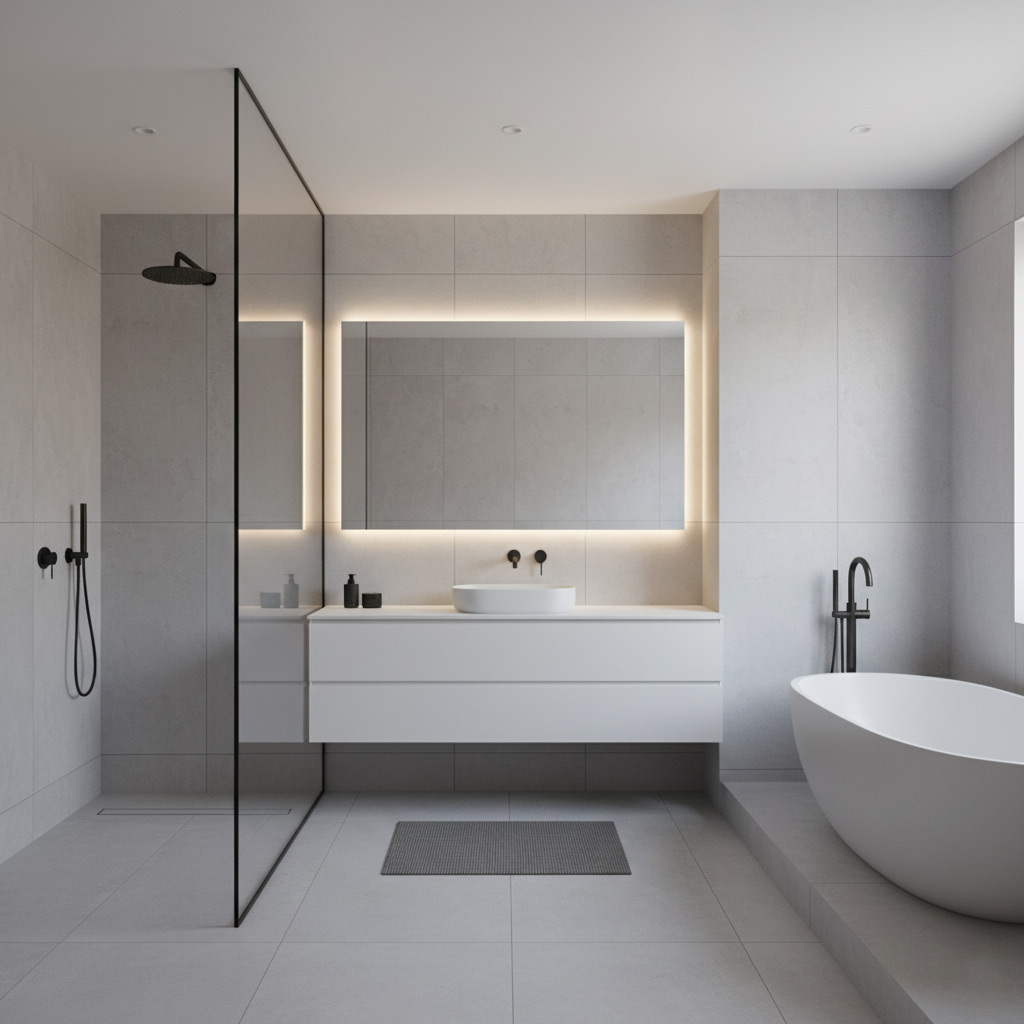
In Tempe’s dry heat, you might think moisture isn’t a problem—until the shower runs. Without solid airflow, steam settles, tiles crack, and mold finds a foothold. A well‑planned vent system keeps the air moving and protects your investment.
Ventilation Options That Actually Work
- Inline exhaust fan with a humidity sensor – turns on automatically when steam rises.
- Ceiling‑mounted fan with a backdraft damper – stops hot desert air from sneaking back in.
- Window vent or louver – a low‑tech backup when power fails.
Pick a fan rated for at least 1 CFM per square foot of shower area. Higher CFM means faster drying. Keep the duct short and insulated; long runs lose power and can collect condensation.
Moisture control doesn’t stop at the fan. Seal every joint and use a vapor‑retardant paint on walls above the shower curb. Add a small, energy‑efficient dehumidifier if the bathroom doubles as a laundry room. These steps keep humidity low, even when the desert sun blasts the house at night.
Case Study: A Seamless Tub‑to‑Shower Conversion in a Tempe Residence
The Starting Point
When the Martinez family called, their 1998 bathroom still sported a cracked porcelain tub that leaked every time the rain hit the roof. They wanted a sleek, walk‑in shower but feared a budget blowout and endless permit headaches.
We began by pulling the city’s building code sheet for Tempe and filing the permit in under 48 hours—no surprises later, no stop‑work orders.
The Turnaround
Our crew laid a liquid‑applied waterproofing membrane that covered the walls, floor, and even the niche for toiletries. The floor was sloped 1/4‑inch per foot toward a linear drain, eliminating any chance of puddles.
We chose a quartz tile that tolerates hard water and the desert’s temperature swings, then sealed every grout line with a urethane sealant. The result? A shower that stays dry, warm, and crack‑free year after year.
The Payoff
Final costs landed 7% under the original estimate, thanks to precise measurements and no re‑work. The Martinez family now steps into a spa‑like space and says the upgrade feels “worth every penny.”
- Zero leaks after 12 months of use
- Improved resale value—appraisers noted a $12,000 bump
- Energy‑efficient water heater integration reduced hot‑water bills by 15%
Final Words
When you finally flip the switch and watch the water cascade over a perfectly sloped floor, you’ll know the extra effort was worth it. Skipping the small steps—like a proper vapor barrier or a correctly sized drain—can turn that pride into a costly repair later.
Quick sanity‑check before you sign off
- All permits signed and posted?
- Waterproof membrane overlapped by at least 6 inches?
- Floor slope measured at 1/4 inch per foot?
Got questions or need a second pair of eyes on your plans? Dive back into our Tub to Shower Conversion guide for deeper details, or give us a call. A solid start saves you headaches, water damage, and a dent in your wallet.
People Also Ask
Do I need a permit for a tub‑to‑shower conversion in Tempe?
Yes, Tempe requires a building permit for any bathroom remodel that involves plumbing or structural changes. Obtaining the permit ensures the work meets local codes and prevents future inspection issues.What is the best waterproofing method for a shower conversion in Arizona?
A liquid‑applied membrane combined with a high‑quality sealant around joints provides the most reliable barrier against water intrusion. Pair it with a properly sloped drain to direct water away from the tub wall.How can I prevent water pooling on the shower floor?
The floor must be sloped at a minimum of 1/4 inch per foot toward the drain. Use a pre‑sloped shower pan or build a custom slope with mortar to achieve consistent drainage.Which materials resist hard water stains in Tempe homes?
Porcelain, ceramic tile, and natural stone sealed with a penetrating sealant are ideal for hard‑water areas. These surfaces are easy to clean and less prone to mineral buildup.Is additional ventilation required for a new shower in a desert climate?
Yes, installing an exhaust fan rated for at least 1 CFM per square foot of bathroom space helps control humidity. Proper ventilation prevents mold growth and protects surrounding walls from moisture damage.
Tempe Bathroom Remodel brings over a decade of specialized experience to homeowners throughout Tempe, Arizona. Their team of licensed craftsmen focuses on delivering high‑quality bathroom renovations that reflect the city’s unique style and climate. Committed to personalized service, they work closely with each client to turn vision into reality.
Need Bathroom Remodel?
We design and install residential solar solutions for homes in Tempe (85281, 85282, 85283) and surrounding ZIPs, delivering reliable energy output within days of your request. Our focus is on measurable savings and prompt project completion.
Get Bathroom Quote