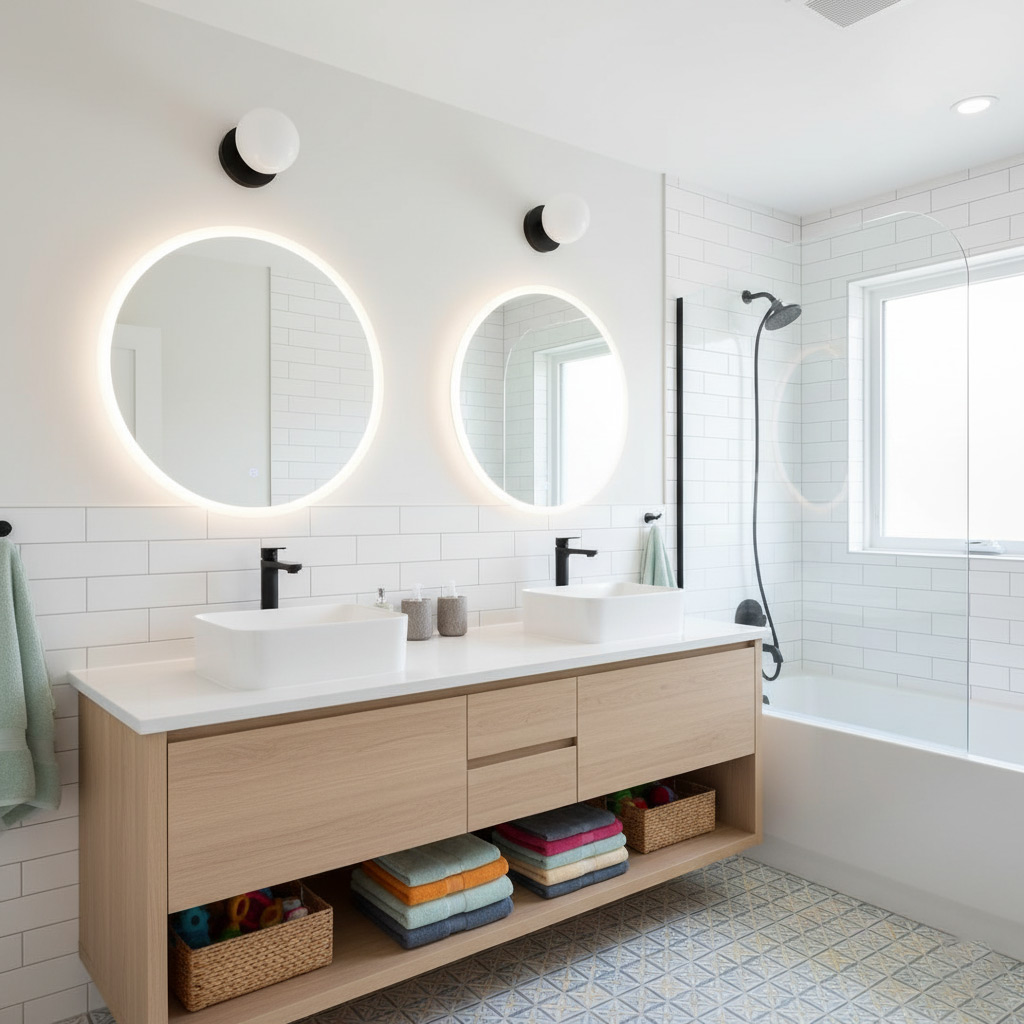
Picture this: the Arizona sun blasting through your bathroom window, and the cheap shower liner you installed last summer starts to curl like a wilted leaf. That’s the nightmare every homeowner in Tempe wants to avoid.
Choosing a liner that can stand up to relentless heat isn’t about picking the cheapest option—it’s about understanding the materials, the installation tricks, and the little details that keep water where it belongs. When you get it right, you’ll forget you ever worried about leaks or mold.
Ready to discover the exact steps that will give you a shower liner that lasts season after scorching season? Keep reading and you’ll walk away with a game plan you can trust.
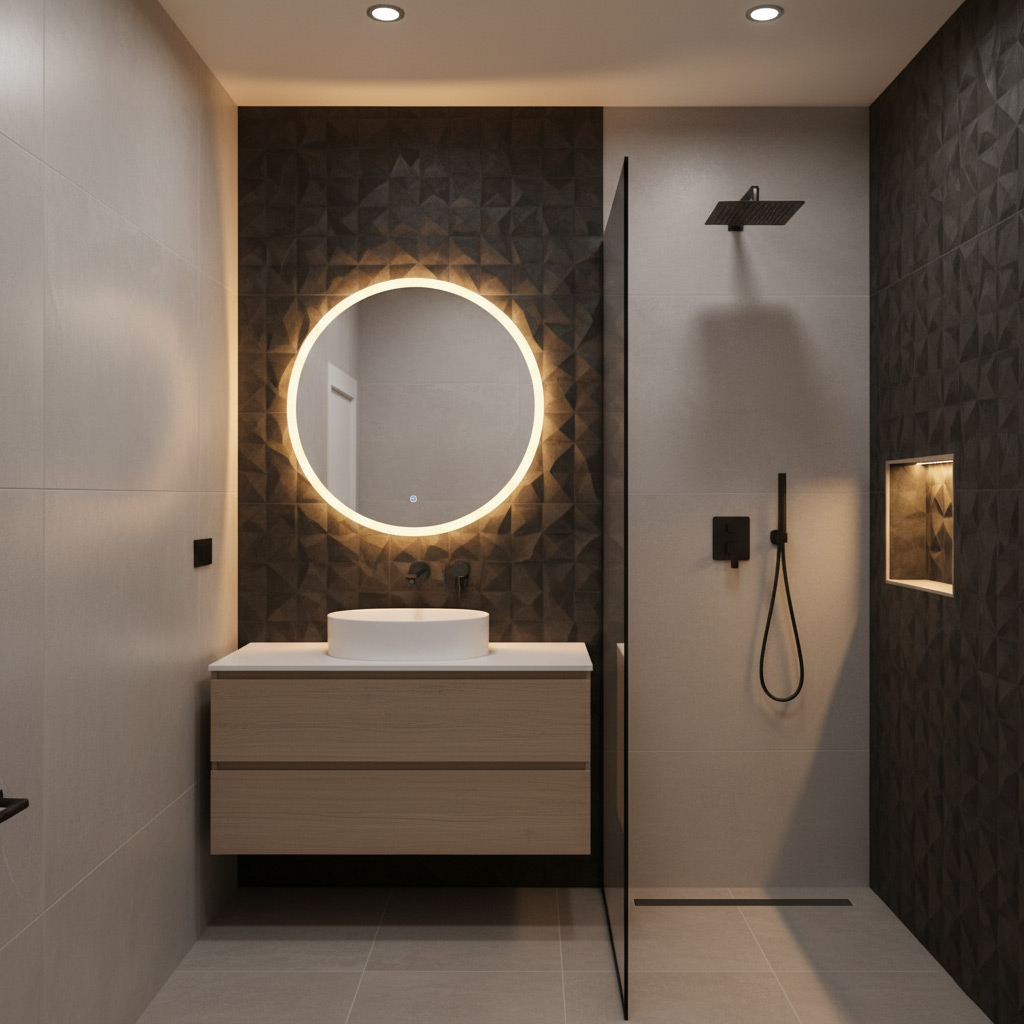
Understanding Tempe’s Climate: How Heat Affects Shower Liners
Tempe’s summer routinely pushes 110°F (43°C) and the sun doesn’t take a break. Those scorching days force every material in your bathroom to expand, contract, and fight the relentless UV assault. When a shower liner is left to the mercy of that heat, it can warp, become brittle, or even develop tiny cracks that let water sneak behind the wall.
Why Temperature Matters
Heat does more than just raise the thermostat—it changes the chemistry of the liner. PVC, acrylic, and rubber compounds each react differently, but they share a common enemy: prolonged exposure to high temperatures.
- Thermal expansion stretches the liner, stressing seams and seams.
- UV rays break down polymer bonds, turning a flexible sheet into a stiff, fragile barrier.
- Extreme heat accelerates the breakdown of adhesives, leading to delamination.
Because Tempe’s climate swings from blistering days to surprisingly cool nights, a good liner must handle both ends of the temperature spectrum. Choose a product that’s engineered for thermal stability and UV resistance, and you’ll avoid the costly repairs that come from a liner that can’t keep up with the desert heat.
Top Materials for Durable Shower Liners in Hot Environments
PVC (Vinyl) – The Workhorse
Standard PVC is the go‑to for most remodels because it bends easily and seals tight. In Tempe’s heat it can soften, so look for a high‑grade, UV‑stabilized blend that won’t warp after a summer scorch.
Polyethylene (PE) – The Tough Guy
PE liners are tougher than PVC and resist cracking when temperatures climb. They’re also naturally resistant to mold, which is a bonus when the desert humidity spikes after a monsoon.
Fiberglass Reinforced Liners – The Heavyweight
When you need a liner that can take a beating, fiberglass reinforcement adds strength without adding bulk. The glass fibers keep the sheet flat, so expansion from heat doesn’t turn it into a wavy mess.
- UV resistance: Keeps color and flexibility intact under the sun.
- Thickness: Thicker sheets (½‑inch or more) handle temperature swings better.
- Reinforcement: Fiberglass or polyester mesh adds durability.
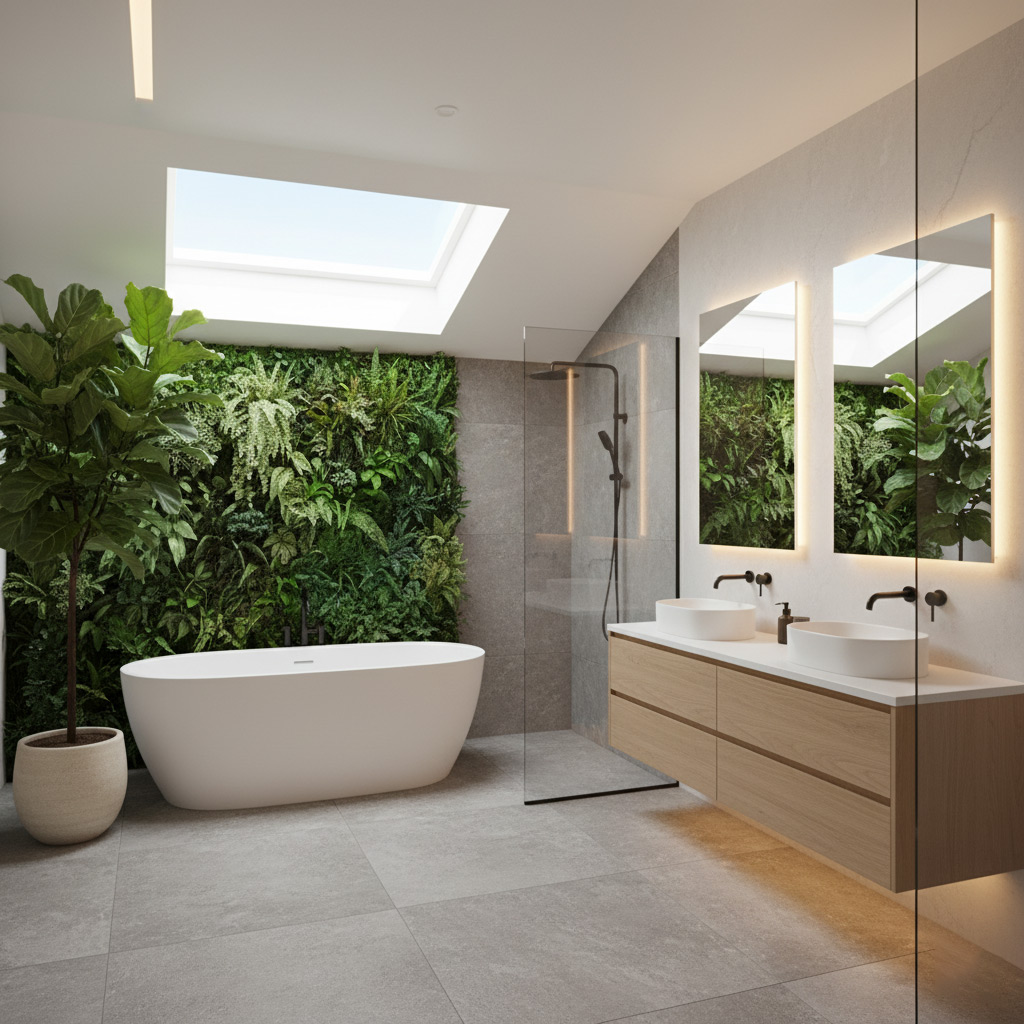
Key Features to Look for: Thickness, Reinforcement, and UV Resistance
In Tempe’s scorching heat, a shower liner can’t be an after‑thought. You need a product that *holds its shape* when the sun beats down and the bathroom turns into a sauna. That means paying close attention to three non‑negotiables: thickness, reinforcement, and UV resistance.
Thickness & Reinforcement
A thicker liner isn’t just a luxury—it’s a shield. Look for a minimum of 5 mm core thickness; anything less will warp faster than a cheap plastic bag in a desert wind. Reinforcement layers, usually woven polyester or fiberglass, keep the liner from ballooning under pressure.
- Polyester weave: adds tensile strength without adding weight.
- Fiberglass backing: resists punctures from tile edges and grout.
- Dual‑layer construction: gives you the best of both worlds—flexibility and durability.
UV Resistance
Even if your liner stays hidden behind a wall, UV rays can seep through gaps and degrade the material. Choose a liner with a UV‑inhibitor coating or a built‑in UV‑stable polymer blend. This prevents yellowing, brittleness, and the dreaded “crack‑and‑leak” scenario.
- Certified UV‑stable rating (look for ASTM or ISO markings).
- Added carbon black pigment: blocks up to 99% of UV radiation.
- Warranty that mentions sun exposure: a clear sign the manufacturer stands behind the claim.
Proper Installation Techniques to Maximize Longevity in High Temperatures
Prep the Shower Base Like a Pro
Start by scrubbing the tub or shower pan until it’s spotless; any residue will cause the liner to slip. Dry the surface completely—even a damp spot can trap moisture and warp the liner later. Grab a high‑temperature primer designed for PVC or acrylic and apply a thin coat; this creates a bond that can handle Tempe’s scorching days.
Seal Every Seam, No Exceptions
When you lay the liner, align it carefully and press out air bubbles with a soft roller. Use a heat‑resistant, waterproof tape on all seams, then run a bead of silicone sealant over the tape for extra protection. A quick tip: work in sections, sealing each joint before moving on, so the adhesive doesn’t dry out in the heat.
Finish with a Curing Routine That Works
Let the adhesive cure for at least 24 hours, but in summer you may need 48 hours to reach full strength. Keep the bathroom ventilated; a fan or open window helps the liner set without heat‑induced bubbles. Finally, run a gentle water test—look for leaks, then seal any weak spots before you call the job done.
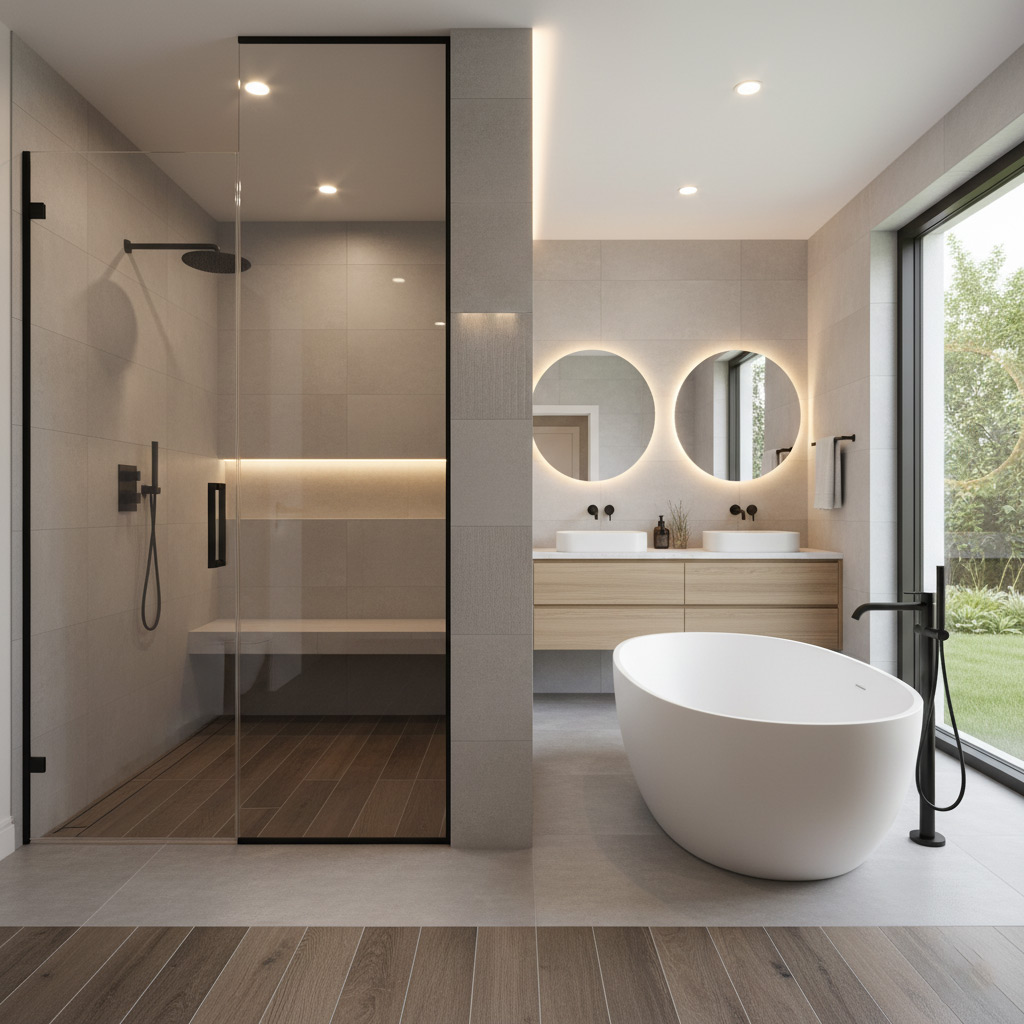
Maintenance Tips: Keeping Your Shower Liner in Peak Condition Year‑Round
First thing’s first: wipe down the liner after each shower. A quick swipe with a squeegee or a microfiber cloth removes water spots before they turn into stubborn stains. It takes less than a minute, and the liner stays fresh.
Routine Cleaning
Schedule a deeper clean once a month. Use a mild, non‑abrasive cleaner—think dish soap and warm water. Avoid bleach; it can weaken the liner’s backing over time.
- Apply the solution with a soft sponge.
- Rinse thoroughly to prevent soap residue.
- Dry with a lint‑free towel.
Spot Checks & Repairs
Walk the line each season and look for tiny tears or loose seams. Catching a problem early saves you from a full‑blown leak later.
Patch kits are cheap and easy. Just clean the area, apply the adhesive patch, and let it cure for 24 hours. You’ll be back to normal in no time.
Seasonal Care for Tempe Heat
When the desert sun peaks, give the liner a little extra love. Open a window or run the exhaust fan to lower humidity inside the bathroom.
Consider a UV‑protective spray once a year. It adds a thin shield that helps the liner resist fading and cracking under relentless sun exposure.
Case Study: A Successful Shower Liner Upgrade in a Tempe Home Renovation
The Challenge
When the Martinez family decided to remodel their 1998 ranch, the existing vinyl liner was already curling from the relentless desert heat. Cracks appeared after just a few months, and water seepage threatened the new tile work they’d just installed.
They needed a liner that could survive 110°F summers without warping, and they wanted it done on a tight budget.
The Solution
We recommended a 30‑mil reinforced PVC liner with a built‑in UV blocker—exactly the kind of material that thrives in Tempe’s sun‑baked climate. The installer added a double‑seal bead and used a high‑temperature silicone caulk to lock everything in place.
- 30‑mil thickness for extra durability
- UV‑resistant coating to prevent brittleness
- Reinforced stitching along the seams
Results
Six months later the liner shows no signs of wear, and the Martinez family reports zero leaks despite daily hot showers. Their new tile looks pristine, and the homeowner saved roughly $1,200 by avoiding a full bathtub replacement.
In short, the right liner plus a meticulous install turned a potential disaster into a long‑lasting upgrade—proof that a smart material choice pays off in the Arizona heat.
Final Thoughts: Choosing the Right Shower Liner for Lasting Performance in Tempe
When the sun beats down on your bathroom, the liner you pick becomes the unsung hero that keeps water where it belongs. Pick a material that won’t melt, warp, or crack under relentless heat, and you’ll avoid costly repairs down the line. Think of it as buying a pair of shoes that survive a desert trek—comfort and durability go hand‑in‑hand.
What to weigh before you buy
- Thickness: Thicker isn’t always better, but a minimum of 4 mm gives a solid buffer against expansion.
- Reinforcement: Look for woven polyester or fiberglass layers that act like a spine.
- UV resistance: A UV‑blocked surface stops sun‑faded brittleness before it starts.
Don’t let price be the only driver. A cheap liner may save a few bucks now, but a mid‑range, heat‑tolerant option pays for itself in years of leak‑free showers. Pair that choice with a pro installer who respects the seams, and you’ve built a shield that Tempe’s summer can’t breach.
Ready to see the full lineup? Check out our Shower Liners page for specs, reviews, and the exact models that thrive in Arizona’s heat.
People Also Ask
What material is best for a shower liner in Tempe’s hot climate?
PVC and CPE liners are the top choices because they resist heat‑induced warping and are highly water‑tight. Look for liners with a reinforced core for added durability.How thick should a shower liner be to withstand high temperatures?
A thickness of 20 mil (0.5 mm) or greater is recommended for hot environments. Thicker liners provide better resistance to expansion and cracking.Does UV resistance matter for indoor shower liners?
Yes, UV‑resistant liners prevent degradation from sunlight that can seep through windows or skylights. This extends the liner’s lifespan by reducing brittleness.What installation steps help a shower liner last longer in the heat?
Use a high‑quality, heat‑rated adhesive and ensure a tight seal around the curb and walls. Properly overlapping seams and securing the liner with a reinforcement tape also reduce stress from temperature changes.How often should I inspect my shower liner in Tempe?
Check the liner at least twice a year for signs of wear, such as cracks or loose seams. Early detection allows for simple repairs before a full replacement is needed.
Tempe Bathroom Remodel brings over a decade of specialized experience to homeowners throughout Tempe, Arizona. Their team of licensed craftsmen focuses on delivering high‑quality bathroom renovations that reflect the city’s unique style and climate. Committed to personalized service, they work closely with each client to turn vision into reality.
Need Bathroom Remodel?
We design and install residential solar solutions for homes in Tempe (85281, 85282, 85283) and surrounding ZIPs, delivering reliable energy output within days of your request. Our focus is on measurable savings and prompt project completion.
Get Bathroom Quote