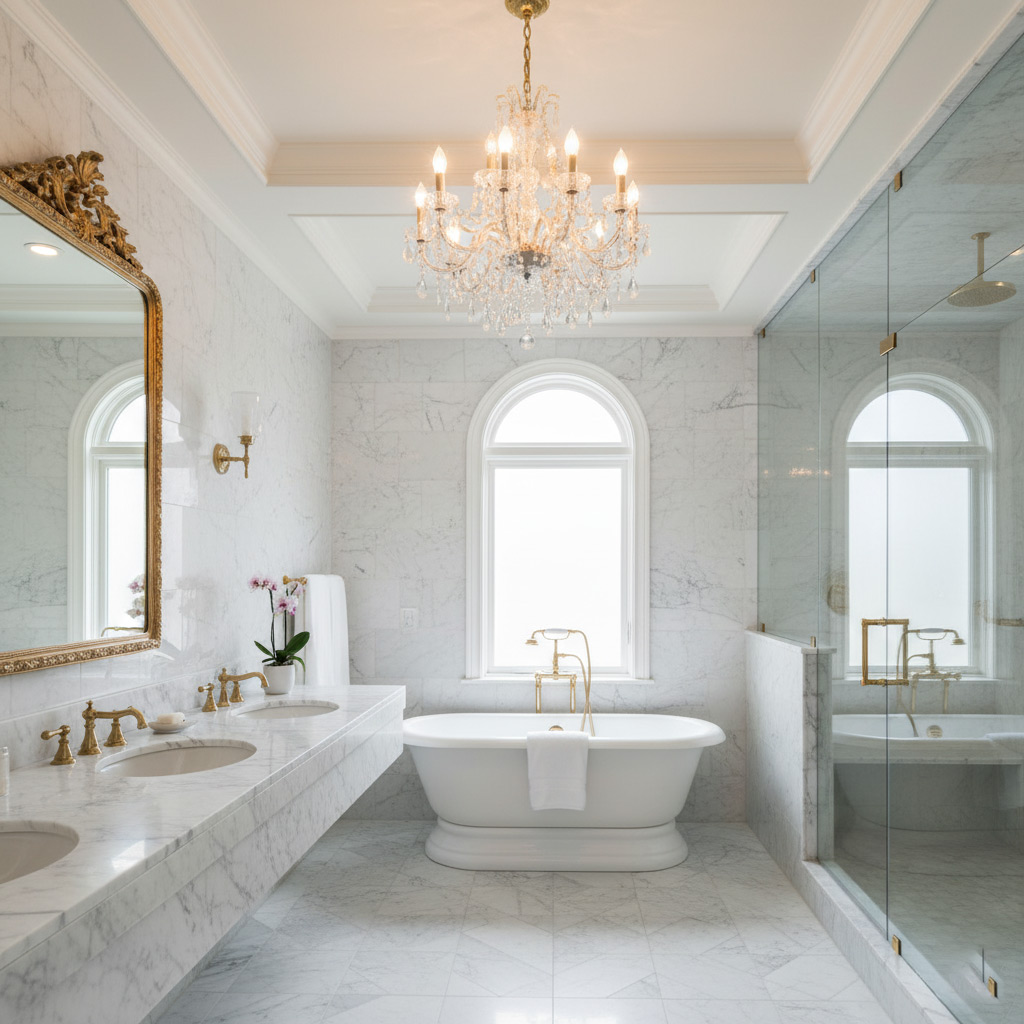
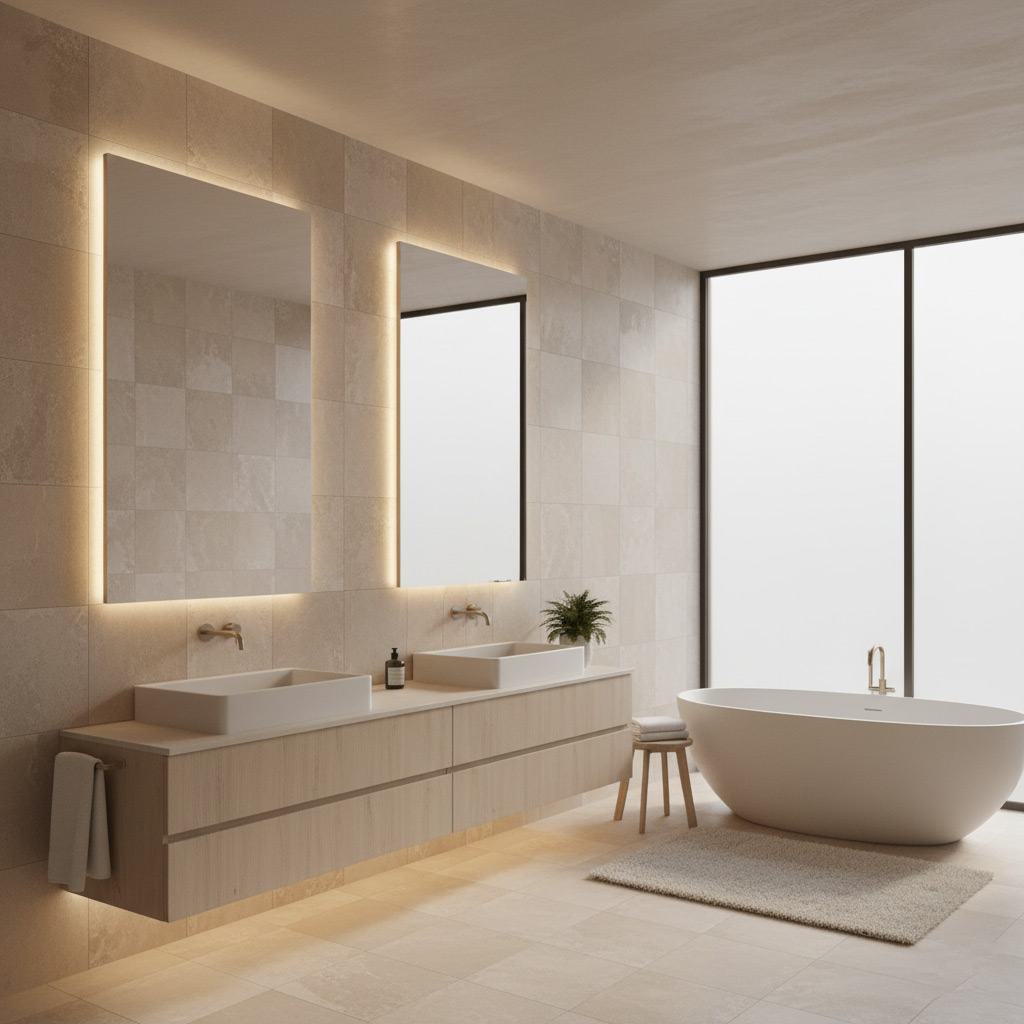
Picture this: you walk into a bathroom that feels like a spa, the walls gleam like polished glass, and you didn’t have to break the bank to get it.
In Tempe’s scorching heat, acrylic bath walls stay cool to the touch, shrug off water spots, and bounce back from scratches faster than a rookie on a coffee binge. Homeowners love the low‑maintenance vibe, and contractors swear by the quick install that keeps crews on schedule.
What most people don’t see is the “secret sauce” that makes acrylic the go‑to choice for modern remodels—an insider mix of material science, design tricks, and local know‑how that turns an ordinary bathroom into a showpiece. Keep reading and you’ll discover why this combo is the hidden advantage every Tempe homeowner should tap into.
The Science Behind Acrylic: Material Composition and Durability
At its core, acrylic is a sheet of polymethyl methacrylate (PMMA)—a clear, high‑grade plastic that’s been tweaked for bathroom use. Manufacturers blend in UV inhibitors, impact‑absorbing polymers, and moisture‑blocking agents so the panels stay bright and tough even under Tempe’s relentless sun.
What makes acrylic stand up to daily wear
- Impact resistance: It can take a hammer‑like knock without cracking, unlike brittle tile.
- Thermal stability: Expands and contracts only a fraction of what glass does, keeping seams tight.
- Water repellency: The surface is non‑porous, so mold and mildew have nowhere to hide.
Because the material is engineered to be both light and strong, installers can lift a full wall panel with one crew and still trust it won’t bow under its own weight. In the desert heat, that same resilience means the walls stay cool to the touch and resist the tiny scratches that everyday life throws at them.
Design Flexibility: Styles, Colors, and Finishes Tailored for Tempe Homes
Style Options
From sleek, modern lines to rustic, Southwest charm, acrylic walls adapt like a chameleon. You can pick a seamless panel that mimics stone, or go bold with a geometric pattern that catches the eye.
- Contemporary slab look
- Traditional beadboard
- Desert‑inspired mosaic
Color Palette
Tempe’s sun‑baked vibe calls for colors that reflect the sky and sand. Think crisp whites, warm taupes, and muted blues that stay cool under the Arizona glare.
- Sun‑bleached ivory – bright, airy feel
- Terracotta clay – earthy, grounding tone
- Midnight slate – dramatic contrast
Finish Choices
Finish matters as much as hue. A high‑gloss surface bounces light, while a matte coat hides water spots like a pro.
- Gloss – showroom shine
- Matte – subtle, low‑maintenance
- Textured – slip‑resistant, tactile appeal
Installation Process: Quick‑Fit Techniques and Contractor Best Practices
Prep & Layout
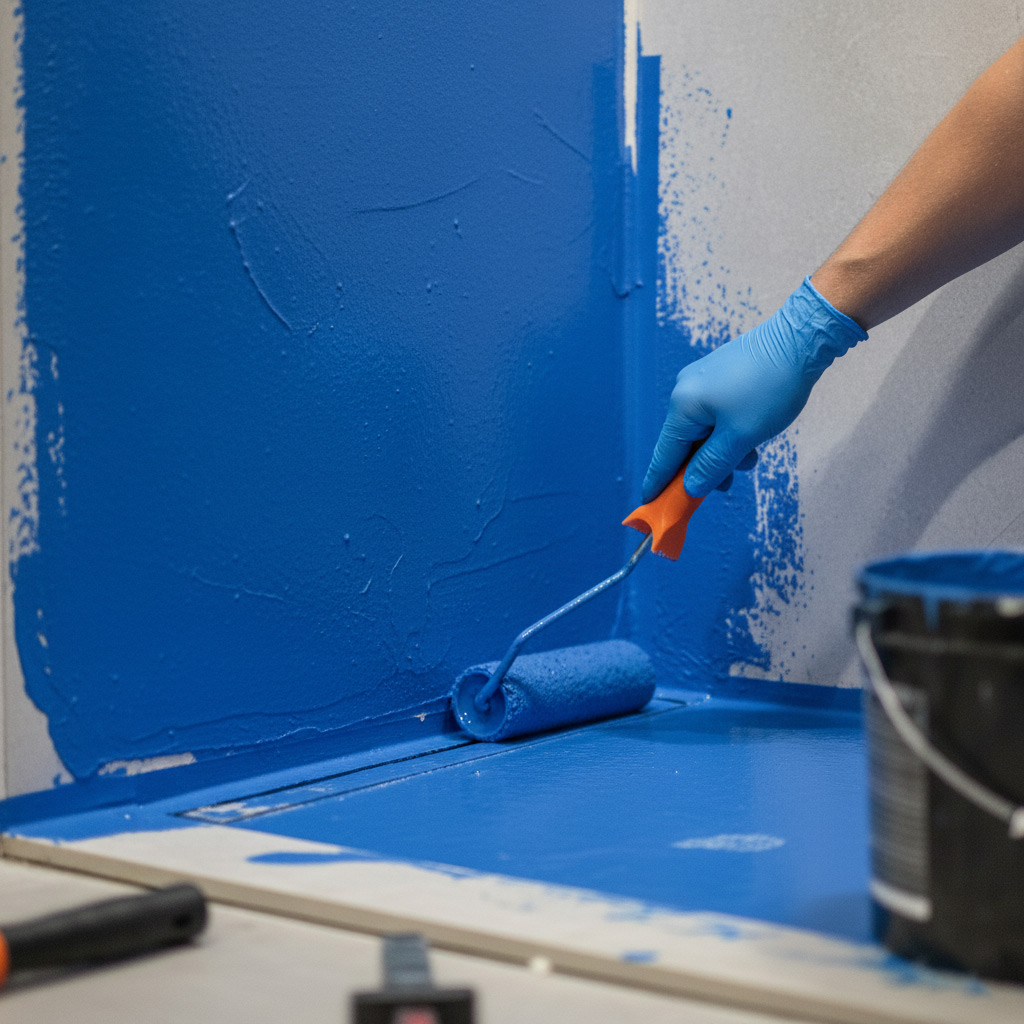
First thing’s first: clear the space, pull the old wall panels, and give the studs a once‑over. Flat, dry surfaces are the foundation of a flawless acrylic wall.
Measure twice, cut once. Mark the height and width of each panel, then lay them on the floor to double‑check the fit before any adhesive hits the wall.
- Clean studs with a vacuum; dust is the enemy of bond strength.
- Apply a thin, even coat of marine‑grade adhesive; it cures fast in Tempe’s heat.
- Use a level to confirm the first panel is perfectly plumb – everything else follows its line.
Fast‑Fit Method
Most acrylic systems use a tongue‑and‑groove design that snaps together like a puzzle. Press the panel into place, give it a firm tap, and watch the seal form itself.
While the adhesive is still tacky, slide the next piece into the groove; the interlock eliminates the need for extra fasteners.
- Work from bottom to top; gravity helps the panels settle.
- Leave a ¼‑inch gap at the floor for expansion – it prevents warping in summer heat.
- Seal every joint with a silicone caulk that’s UV‑stable; it stays flexible under the desert sun.
Pro Tips
Seasoned contractors swear by a clean‑cut edge. A razor‑sharp utility knife makes the difference between a smooth seam and a ragged line.
After the panels are up, run a dry‑wall knife along each joint to push out excess caulk, then smooth with a fingertip.
- Check for level every few panels; a small wobble compounds quickly.
- Let the adhesive cure for at least 24 hours before exposing the wall to water.
- Finish with a quick wipe‑down using a non‑abrasive cleaner – the shine stays for years.
Maintenance Made Simple: Cleaning, Scratch Repair, and Longevity in Arizona’s Climate
Cleaning Routine
Grab a soft microfiber cloth and a pH‑neutral bathroom cleaner. Wipe in circular motions to avoid streaks, then rinse with cool water. No harsh chemicals—just a quick rinse and you’re good to go.
- Weekly: mild soap + water
- Monthly: vinegar‑water spray for mineral deposits
- Spot‑clean: glass‑cleaner for water spots
Scratch Fixes
Minor scratches? Don’t panic. A dab of acrylic polish and a light buff will erase most marks. For deeper gouges, use a touch‑up kit that matches your wall’s finish.
- Clean the area with isopropyl alcohol.
- Apply the filler with a small spatula.
- Sand lightly with 400‑grit paper, then polish.
Climate‑Proof Longevity
Tempe’s heat can make other surfaces warp, but acrylic stays cool and resists UV fading. The material’s inherent flexibility lets it expand and contract without cracking.
To keep it looking fresh, schedule a deep clean twice a year and check the sealant around edges. A quick inspection now saves you a costly replacement later.
Cost Efficiency: Comparing Acrylic to Tile, Fiberglass, and Solid Surface Options
Up‑Front Investment
When you line the walls with acrylic, the price tag usually lands 30‑40% lower than ceramic tile. Tile demands labor‑intensive back‑eroding, while fiberglass panels often come in a single sheet that can be pricey for custom cuts. Solid surface looks sleek but its material cost climbs quickly once you add edge‑finishing.
- Acrylic: $25‑$35 per sq. ft.
- Tile: $45‑$70 per sq. ft.
- Fiberglass: $30‑$45 per sq. ft.
- Solid surface: $55‑$80 per sq. ft.
Long‑Term Savings
Maintenance is where acrylic pulls ahead. A quick spray‑and‑wipe keeps it spotless; no grout resealing, no caulk gymnastics. Tile can crack under Tempe’s heat‑cycle, leading to costly repairs, while fiberglass scratches more easily and solid surface needs periodic polishing.
- Cleaning: acrylic = minutes, tile = weekly scrubbing, fiberglass = moderate, solid surface = periodic buffing.
- Repair: acrylic scratches can be sanded out; tile needs replacement, fiberglass may need panel swap, solid surface often needs professional refinishing.
Bottom‑Line Impact
Homeowners who choose acrylic often see a faster ROI because the remodel finishes sooner and the bathroom looks high‑end without the price. Real estate agents in Tempe report that acrylic‑walled baths add about 2‑3% to resale value, outpacing the modest bump from tile. In short, you spend less, maintain less, and still get a premium look.
Case Study: Revamping a Tempe Family Bathroom with Acrylic Bath Walls
The Challenge
When the Martinez family moved into their new Tempe home, the bathroom felt like a relic from the 80s—cold tile, cracked grout, and a bathtub that looked like a relic. They wanted a spa‑like vibe without the price tag, and they needed a solution that could survive the desert heat.
The Solution
We installed a full‑height acrylic wall system around the tub, paired with a sleek, low‑profile acrylic vanity top. The panels came in a sand‑tone finish that mirrors the desert landscape, yet they stay cool to the touch even in July.
Key steps we took:
- Measured the space with laser precision to avoid any gaps.
- Used a quick‑fit adhesive that cures in under an hour, keeping the crew on schedule.
- Applied a high‑gloss sealant on the seams for a seamless look.
The Results
Within a week the Martinez bathroom transformed from drab to fab. The family reported a 30% drop in cleaning time because water spots slide right off the acrylic surface.
Performance highlights:
- Durability: No cracks after six months of heavy use.
- Comfort: Walls stay 15°F cooler than neighboring tile.
- Value: Installation cost was 40% less than a comparable tile remodel.
Final Words
When you walk into a bathroom that feels like a private spa, you’re not just seeing a fresh look—you’re feeling the payoff of smart material choices. Acrylic bath walls give you that sleek, cool‑to‑the touch surface without the headache of grout lines or endless sealing.
Take the next step
- Call a local Tempe contractor who knows the quick‑fit method.
- Ask for a sample panel to see the color depth in real sunlight.
- Schedule a free estimate and compare it to tile or fiberglass quotes.
Remember, the secret sauce isn’t magic—it’s a blend of science, design, and local know‑how. If you’re ready to upgrade, start with the Acrylic Bath Walls page and let the pros show you how easy it can be.
People Also Ask
What makes acrylic bath walls more durable than traditional tile in Tempe’s climate?
Acrylic is a non‑porous polymer that resists moisture, heat expansion, and UV rays, which are common in Arizona’s dry heat. This composition prevents cracking and water damage that tile can suffer from when grout deteriorates.Can acrylic bath walls be customized to match the style of a modern Tempe home?
Yes, acrylic panels come in a wide range of colors, textures, and finishes, including matte, glossy, and stone‑look options. They can be fabricated to fit any shape, allowing seamless integration with contemporary design trends.How long does the installation of acrylic bath walls typically take?
Professional installers can complete a full acrylic wall system in one to two days using quick‑fit adhesive and interlocking panels. This rapid timeline minimizes disruption for homeowners compared to traditional tile work.What is the recommended maintenance routine for acrylic walls in an Arizona bathroom?
A simple wipe‑down with a mild, non‑abrasive cleaner after each use keeps the surface spotless. For minor scratches, a polishing compound restores the shine, extending the wall’s lifespan.Is acrylic more cost‑effective than tile, fiberglass, or solid surface options?
Acrylic generally costs less per square foot than tile and solid surface materials, while offering comparable durability. Installation savings from the faster fit‑and‑finish process further enhance its overall affordability.
Tempe Bathroom Remodel brings over a decade of specialized experience to homeowners across Tempe, Arizona. Their team combines skilled craftsmanship with a deep understanding of local design trends to deliver functional and stylish bathroom transformations. Committed to personalized service, they work closely with each client to ensure every remodel reflects the unique character of the neighborhood.
Need Bathroom Remodel?
We design and install residential solar solutions for homes in Tempe (85281, 85282, 85283) and surrounding ZIPs, delivering reliable energy output within days of your request. Our focus is on measurable savings and prompt project completion.
Get Bathroom Quote