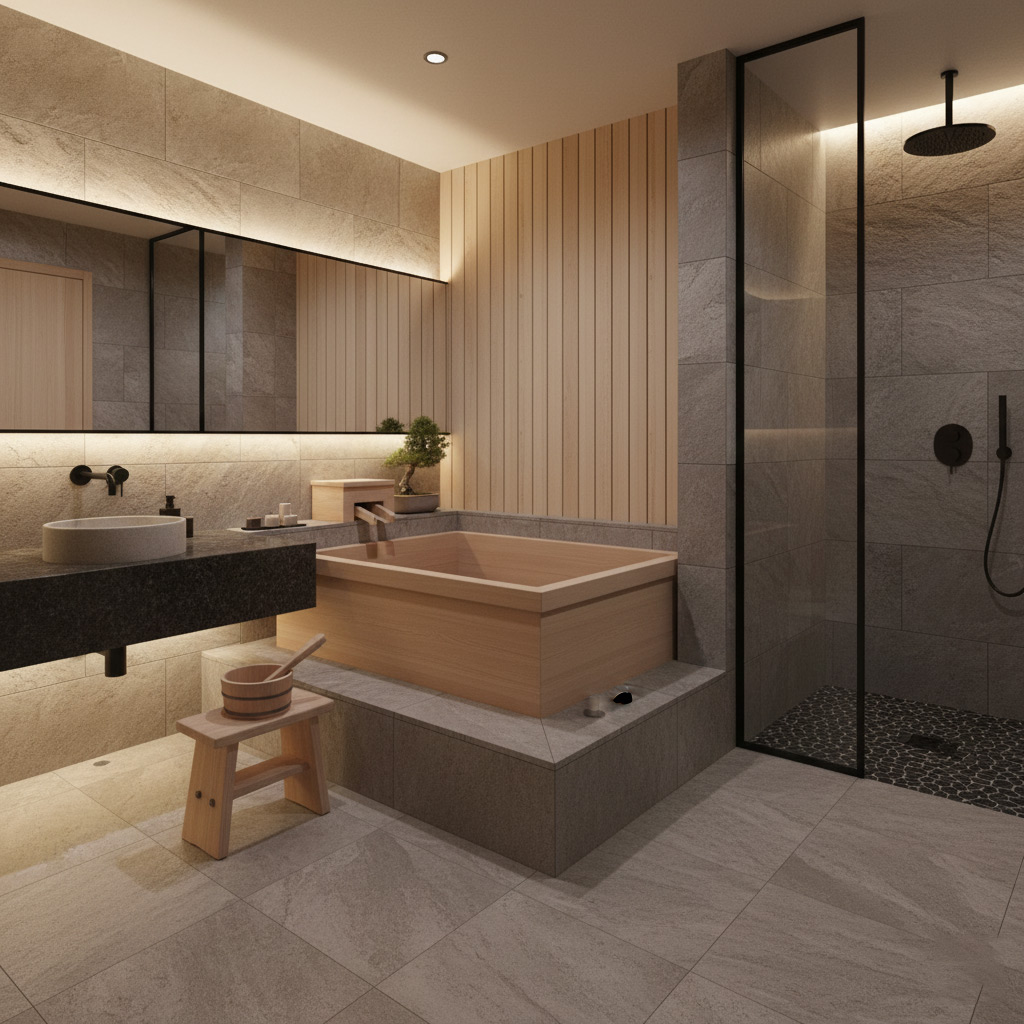
Imagine stepping into a tub that feels like a warm hug after a scorching Arizona summer—no slipping, no strain, just pure relief.
That’s the promise of a walk‑in tub, but getting it right takes more than picking a model off a catalog. From slip‑resistant flooring to the right water pressure for Tempe’s hard‑water, every detail can make or break your comfort.
Ready to see the exact checklist that locals swear by and avoid the costly mistakes most homeowners miss? Keep reading and you’ll walk away with the insider secrets you need.
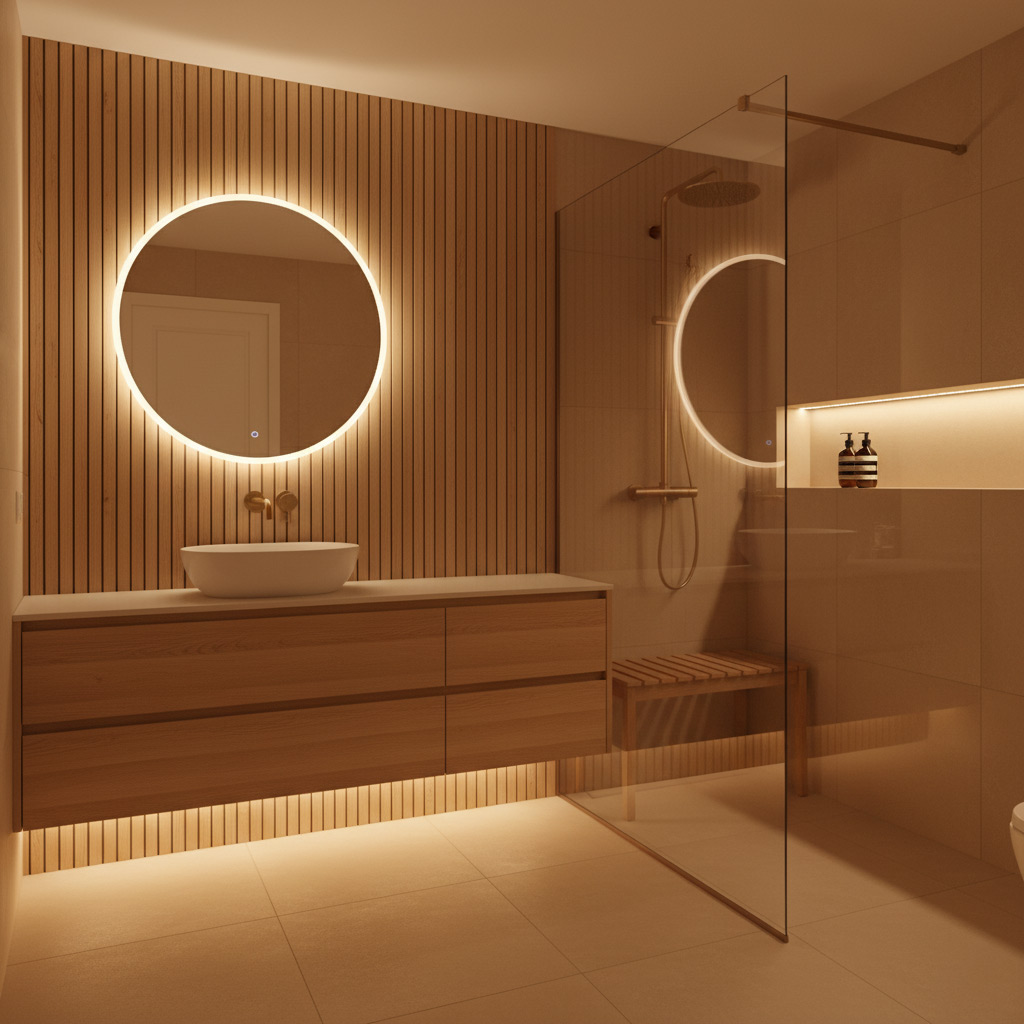
Assessing Space, Load Capacity, and Structural Modifications
Measure the footprint before you fall in love
Start by pulling a tape measure across the intended spot. You need at least 36‑inches of clearance on each side of the tub door, plus room for a side table or grab bar. Don’t forget the ceiling height—the tub’s high‑back can eat up an extra foot.
Know your floor’s strength
Walk‑in tubs weigh between 600‑1,200 lb when filled, so the floor must handle the load without groaning. Check the joist spacing; 16‑inch on‑center is typical, but older homes may need reinforcement.
- Inspect joist size – 2×8 or larger is ideal.
- Consider adding sister joists if you see sagging.
- Use a professional to verify the load rating of your subfloor.
Plan for structural tweaks
Any cut‑outs for the tub’s entryway may require a header to keep the wall stable. In Tempe, building codes often demand a permit for modifications that affect load‑bearing walls. Get the paperwork done early to avoid surprise stops when the contractor shows up.
Selecting the Ideal Walk‑In Tub Model for Tempe’s Climate and Lifestyle
Climate‑Smart Materials
Tempe’s scorching summers demand a tub that won’t warp or fade. Look for acrylic or reinforced fiberglass that resists UV damage and stays cool to the touch.
Hard‑water can leave mineral stains, so choose a model with a smooth, non‑porous surface and a built‑in water‑softening kit if possible.
Fit Your Lifestyle
Do you need a spa‑like soak or a quick therapeutic dip? Decide early, because a larger tub with jets adds weight and may require extra floor reinforcement.
Consider these lifestyle triggers:
- Low‑step entry for easy access
- Integrated handrails that match your bathroom décor
- Optional heated seats for those chilly desert evenings
Model Recommendations for Tempe Homes
Here are three proven picks that balance durability, comfort, and energy use.
- Eco‑Therm Deluxe – acrylic shell, low‑flow jets, and a built‑in water‑softener.
- Sun‑Shield Serenity – reinforced fiberglass, UV‑protected coating, and a compact footprint.
- Desert Oasis Pro – dual‑zone heating, slip‑resistant floor, and optional Bluetooth speaker.
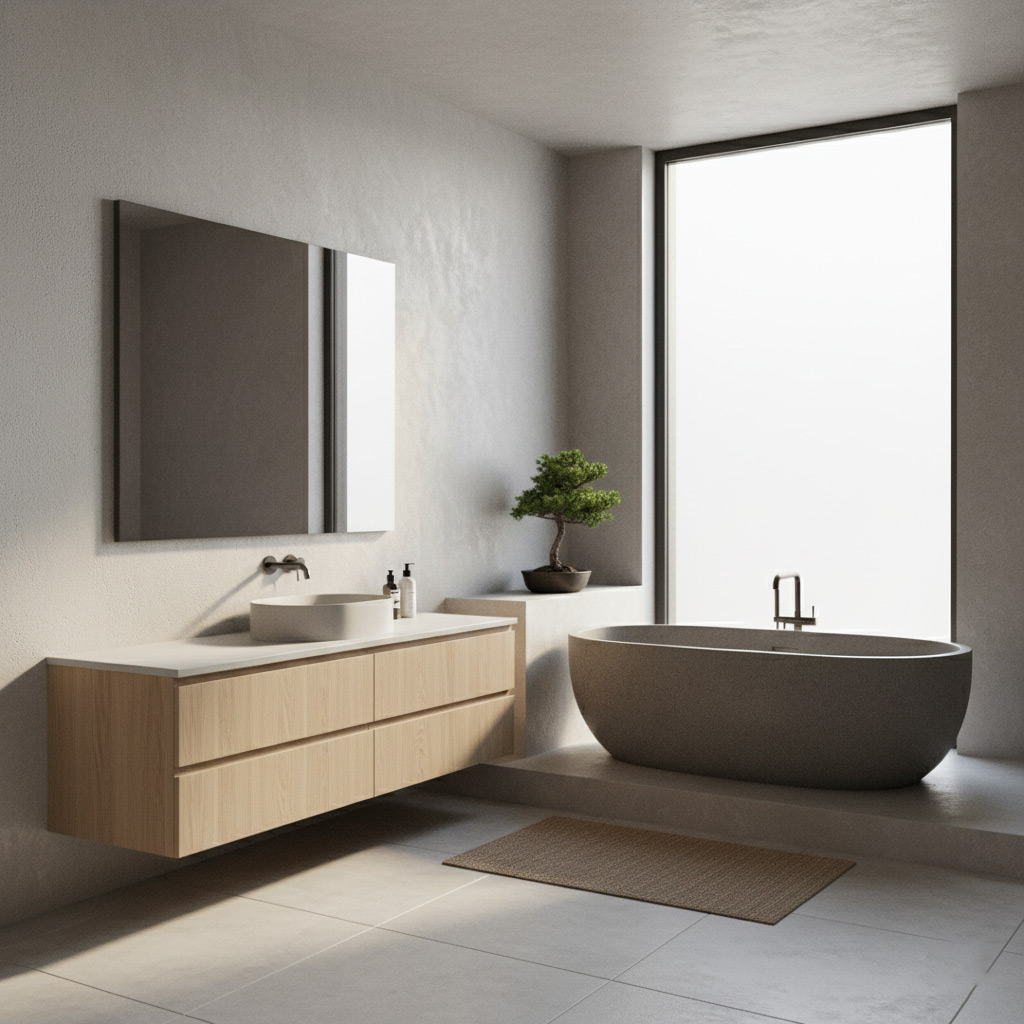
Slip‑Resistant Flooring, Handrails, and Safety Enhancements
Flooring Choices
In a Tempe bathroom, the floor must grip even when water splashes. Porcelain tiles with a matte finish give you durability without the shine that turns slick.
Consider these proven options:
- Textured ceramic – easy to clean, budget‑friendly.
- Rubber‑coated vinyl – soft underfoot, great for seniors.
- Stone with a honed surface – upscale look, naturally slip‑resistant.
Whichever you pick, make sure the slip rating is at least R10. Anything lower invites trouble.
Handrails Placement
Handrails aren’t just accessories; they’re lifelines. Install one on each side of the tub door and another at the entry threshold.
Key tips:
- Mount brackets into studs, not drywall.
- Use stainless‑steel for rust resistance in Arizona’s humidity.
- Keep the grip diameter between 1.25‑1.5 inches – comfortable for most hands.
Extra Safety Enhancements
Beyond floor and rails, add layers of protection. A low‑profile, waterproof LED strip along the wall gives you night‑time visibility without glare.
Don’t forget these small but mighty upgrades:
- Non‑slip mat that slides under the tub – stays put, washes out.
- Grab bars with a soft‑touch coating to avoid bruises.
- Thermostatic faucet – prevents sudden temperature spikes that can cause panic.
Plumbing Requirements: Water Pressure, Hard‑Water Treatment, and Drainage
Water Pressure
Tempe’s municipal supply can be a roller‑coaster, so you need a steady 40‑60 psi to keep jets humming without a hiccup. Install a pressure‑regulating valve right before the tub’s inlet; it’s cheap insurance against leaks and noisy pumps.
Before you sign off, run a quick gauge test:
- Turn the tub on at low setting – watch the gauge.
- Increase to full flow – gauge should stay under 70 psi.
- If it spikes, add a booster pump or a pressure‑reducing valve.
Hard‑Water Treatment
Arizona’s water is notorious for mineral buildup. A dedicated water softener protects the tub’s internal seals and keeps the jets clear.
Pick a system with a minimum 30,000 grain capacity if you have a large family. Pair it with a carbon filter to strip chlorine, which can degrade acrylic over time.
Drainage
Walk‑in tubs discharge a lot of water fast. A 2‑inch drain line with a high‑flow trap prevents backups and keeps the bathroom dry.
Don’t forget a back‑up valve: if the main line clogs, it redirects flow to a secondary drain, sparing you a flood.
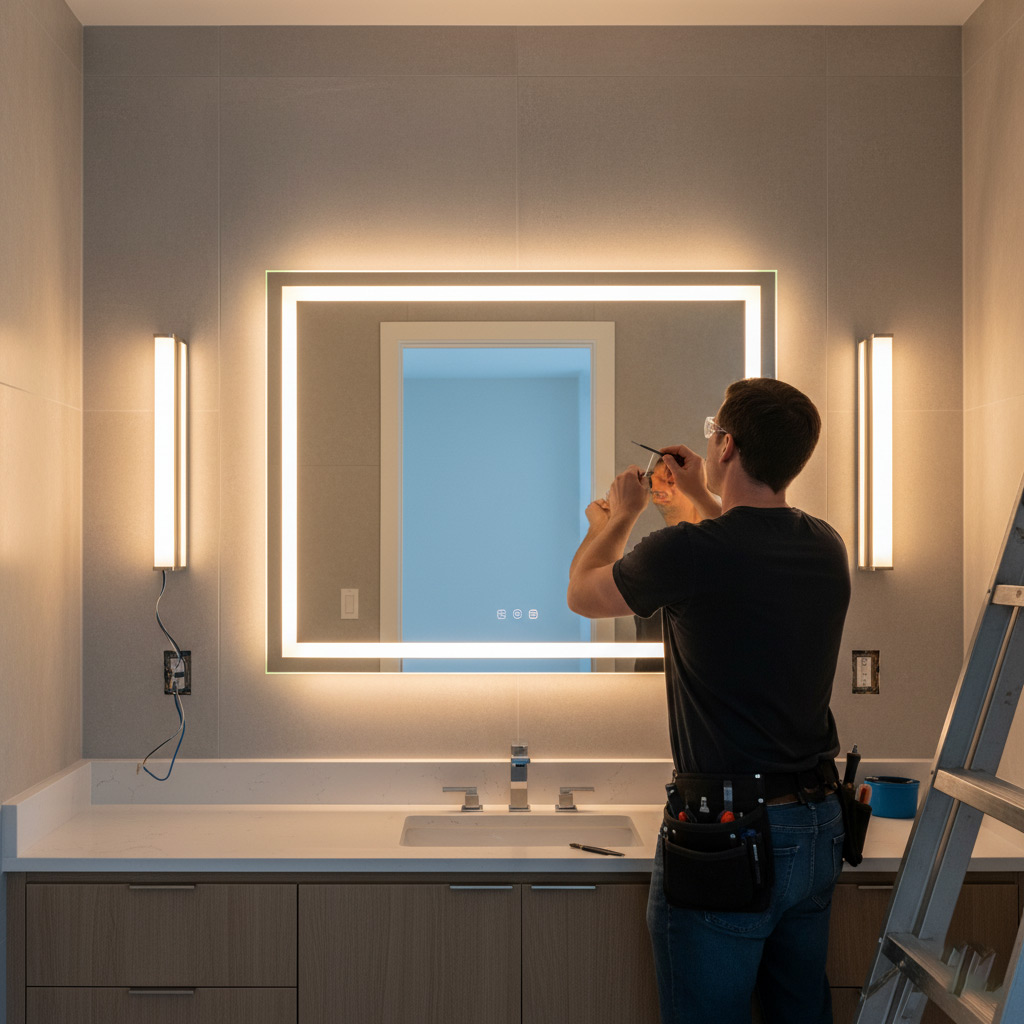
Electrical Integration: Heated Seats, Jets, and Energy‑Efficient Options
Power Considerations
Before you plug anything in, check your breaker box. A dedicated 20‑amp circuit is the sweet spot for most walk‑in tubs in Tempe.
Hire a licensed electrician who knows local code. One mis‑wire and you’ll be paying for a repair before you even soak.
Heated Seat Benefits
A heated seat turns a lukewarm soak into a spa‑like experience. Set it to 98°F and you’ll melt the desert chill right away.
Look for models with thermostat control and automatic shut‑off. That way you avoid a surprise electricity bill.
Jet System Choices & Energy‑Smart Add‑Ons
Jets come in three flavors: air, water, and hybrid. Air jets are light on power, water jets give a deeper massage, and hybrids give the best of both worlds.
- Low‑flow pumps use 30% less electricity without sacrificing pressure.
- LED lighting integrated into the tub draws minimal power and adds a relaxing glow.
- Smart timers let you schedule the jets to run only when you’re in the tub, cutting waste.
Pair these upgrades with a whole‑home surge protector. It shields your investment from the occasional Arizona thunderstorm.
Case Study: A Tempe Home Renovation Success Story with a Walk‑In Tub
The Challenge
When the Martinez family moved into their 1970s ranch in East Tempe, the bathroom felt like a trap—tight corners, a slippery tile floor, and a bathtub that required a full‑body lift to get in.
They wanted a solution that would let Grandma Rosa bathe safely, keep the water temperature steady during those scorching July afternoons, and fit within a modest budget.
Our team started with a space audit, measuring every inch and checking the floor’s load capacity. The result? A clear path to a walk‑in tub that wouldn’t compromise structural integrity.
The Transformation
We installed a hydro‑therapy walk‑in tub with a low‑step entry, built‑in heated seat, and adjustable jets—perfect for Arizona’s dry climate.
Key upgrades included:
- Reinforced joists to handle the extra weight of the tub and water.
- Non‑slip porcelain tiles paired with a grab‑rail system that matches the home’s modern aesthetic.
- A water‑softening unit that neutralizes Tempe’s hard water, protecting the tub’s finish and extending its life.
- LED mood lighting and a low‑voltage heater, keeping energy costs low while delivering spa‑like comfort.
Within weeks, Rosa could step in without assistance, and the whole family noticed a drop in bathroom accidents. The Martinez home now boasts a bathroom that feels like a private oasis—no more wrestling with a traditional tub, just pure, effortless relaxation.
Final Words
Before you lock in that walk‑in tub, double‑check the whole package—dimensions, load limits, and any structural tweaks your contractor flagged. A quick walk‑through with a trusted remodel pro can catch a mis‑measured doorway or a hidden joist issue before the heavy lifting begins.
Maintenance Made Simple
Once the tub is in place, keep it humming with a short, repeatable routine. Think of it as a “tub‑care cheat sheet” you can glance at each month.
- Wipe down the surface with a non‑abrasive cleaner after each use.
- Inspect seals and hinges for wear; replace any cracked gaskets immediately.
- Run a short flush to clear debris from the drain and jets.
These three steps take less than five minutes but save you from costly repairs down the road.
Protect Your Investment
Most manufacturers back their tubs with a 10‑year structural warranty and a separate warranty for electronic components. Keep all paperwork in a dedicated folder and set calendar reminders for warranty renewals.
When you’re ready to explore financing options or need a licensed installer, head over to our Walk-In Tub page. The right partner will handle permits, electrical work, and the final safety inspection, so you can focus on soaking in that desert‑cool relief.
People Also Ask
What space dimensions are needed for a walk‑in tub in a typical Tempe bathroom?
A walk‑in tub usually requires a minimum footprint of 36‑48 inches wide and 60‑70 inches long. Measure your bathroom’s clear floor area and allow at least 12 inches of clearance on each side for safe entry and exit.How does Arizona’s hard water affect walk‑in tub maintenance?
Hard water can leave mineral deposits on tub surfaces, jets, and fixtures, reducing performance over time. Installing a water softener or a point‑of‑use filtration system helps keep the tub sparkling and extends its lifespan.Do I need a structural engineer to modify my floor for a walk‑in tub?
If the tub’s weight exceeds the existing floor’s load capacity, a structural engineer should evaluate the joists and possibly reinforce them. This ensures safety and compliance with local building codes.Can I add heated seats and hydro‑jets without increasing my energy bill dramatically?
Modern walk‑in tubs offer energy‑efficient heating elements and low‑flow jet systems that use less electricity. Pairing them with a programmable timer and a smart thermostat can further minimize energy consumption.What safety features are essential for a walk‑in tub in a Tempe home?
Slip‑resistant flooring, sturdy handrails, and a low‑step entry are must‑haves. Adding a built‑in grab bar and a non‑slip mat inside the tub provides extra security for seniors and those with limited mobility.
Tempe Bathroom Remodel specializes in comprehensive bathroom renovations, bringing over a decade of craftsmanship to homes across Tempe, Arizona. Their team combines local knowledge with a commitment to quality workmanship, ensuring each project reflects the unique style and functional needs of the community.
Need Bathroom Remodel?
We design and install residential solar solutions for homes in Tempe (85281, 85282, 85283) and surrounding ZIPs, delivering reliable energy output within days of your request. Our focus is on measurable savings and prompt project completion.
Get Bathroom Quote